It is a common thing to see players flashing some seriously cool-looking weapons in Counter-Strike 2 (CS2). Those are skins, and they are a major deal when it comes to the CS2 community. But what are they really, and what is so nuts about them? How about we simplify it? Skins do more than just dress up your guns, and they allow you to express yourself, commemorate progress, and perhaps earn money by selling them. Here is everything you need to know about skins in CS2 and how to use them.
500 Casino – Get +2% on Your First Deposit!
What Are CS2 Skins?
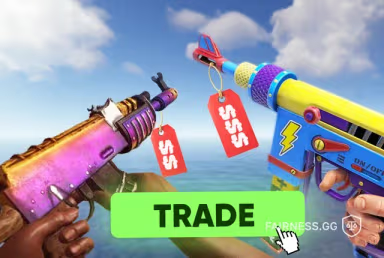
The CS2 skins are entry cosmetics, which modify the appearance of your guns in the game. They do not help your gun shoot any faster or hit any harder; they are purely cosmetic. Imagine your classic M4A1-S turned into a sleek, futuristic masterpiece or your knife with a burning design. Essentially, this is what CS2 skins do; they allow you to customize your weapons.
Skins originally appeared in 2013 through the Arms Deal update to Counter-Strike: Global Offensive (CS:GO), the precursor to CS2. They were a game-changer in the sense of transforming weapons into collectibles and triggering an entire economy of trading and selling. By the time CS2 was released, all of those CS:GO skins transferred over there, and with a new Source 2 engine, they look even better and have even more lighting and textures. Certain skins are extremely rare and in demand, and can even be sold for over 1 million!

A Brief History of Skins
Not every game in Counter-Strike ever had skins, and in the earlier times in CS, everyone had the exact same weapon. However, after Valve released the skins back in 2013, it became similar to opening a treasure box. Suddenly, players were able to customize their guns, and the community went crazy. As the game progressed, Valve expanded the lineup of skins, introduced rarity levels, and even introduced special features such as StatTrak, which keeps a tally of how many times you have killed someone, and Souvenir skins, which are based on big esports events.
Skins themselves also received a glow-up due to the Source 2 engine looking crisper and more vibrant, and the new updates have introduced customization options such as the Armory update in October 2024, introducing weapon charms and variability in placing stickers. We can safely say that skins are not going anywhere, and skins are a massive part of what creates engagement in CS2.
Types of CS2 Skins: From Common to Legendary
Not all skins are created equal. They’re categorized by rarity, and each level has a distinct color code. Here’s the breakdown:
Knives and gloves are always in the “Exceedingly Rare” (gold star) category, and some, like the Karambit Doppler, have legendary status among collectors. The “Contraband” category is unique and currently only applies to the M4A4 Howl, which was removed from regular drops and made extremely rare.
Each skin also has a float value, from 0.00 (Factory New) to 1.00 (Battle-Scarred), which affects both its look and its price. A Factory New skin is like a shiny new car, while a Battle-Scarred one’s got some serious road wear.
There are also special types of skins:
- StatTrak: These track your kills with that weapon, and are generally more valuable than their regular counterparts, sometimes by a lot, depending on the skin and demand.
- Souvenir: Only available during major esports events, these skins come with special stickers and are often highly prized by collectors.
- Regular: Your standard skins, available through drops, cases, or trading.
How to Get CS2 Skins
So, how do you get your hands on these digital treasures? There are a few ways, each with its own flavor of excitement:
- Drops: Play on official servers with Prime Status, and you’ll receive a weekly care package. Every Wednesday, you can pick two out of four possible rewards, like skins, cases, graffiti, or sticker capsules, so it’s like a mini lottery for your inventory.
- Cases: Think of these as loot boxes. You need both a case and a key (keys cost about $2.50), and opening a case gives you a shot at a random skin. Some cases, like the CS:GO Weapon Case, are especially sought after for their rare drops.
- Trading: Want a specific skin? Trade them with other players! It’s a great way to build your collection, but always be cautious, because scammers are out there, so stick to trusted platforms.
- Buying: If you’re ready to spend some cash, you can buy skins directly from the Steam Community Market or reputable third-party sites like Skinport or CS.MONEY. Use filters to find the perfect skin by price, color, or weapon type, but always check market prices to avoid overpaying.
- Trade-Up Contracts: Exchange 10 skins of the same rarity for one skin of a higher rarity. It’s a gamble, but sometimes it pays off big. You can find guides for trade-ups on sites like CS.MONEY.
There are also occasional giveaways and promotions from third-party sites, but these aren’t official, and you should always be careful.

How to Use CS2 Skins
Working with skins is as simple as it can get. After getting a skin in your inventory, proceed to the loadout window, choose the weapon, and equip the skin. Feel like going a step further? To make your firearm really unique, you can adorn it with stickers or weapon charms. The Armory October 2024 update also allows you to customize your weapon with up to five stickers without being restricted to specific locations on the weapon. You can even add Charms (little replicas of guns or funky things) to add personality.

Skin Conditions and Value
Skins come in different wear levels, which affect how they look and how much they’re worth:
- Factory New: Pristine, no scratches or wear.
- Minimal Wear: A few minor scratches, still looks sharp.
- Field-Tested: Noticeable wear, but still decent.
- Well-Worn: Pretty beat-up, with visible scratches.
- Battle-Scarred: Looks like it’s been through a war, with heavy wear and fading.
The wear level is determined by a float value (0.00 to 1.00), with lower values meaning better condition and higher prices. For example, a Factory New AWP Dragon Lore can cost thousands, while a Battle-Scarred one is much more affordable. If you’re collecting or trading, understanding float values is key. Some players even hunt for skins with ultra-low float values, like 0.00000x, which are super rare and valuable.
Some skins, like Case Hardened or Doppler, have unique patterns or color variations that can make them even more valuable, regardless of their float value. Collectors often hunt for these rare patterns, which can command premium prices.
Tips for Collecting and Trading
Getting into skins can be a blast, but it’s not without its challenges. Here are some tips to help you navigate the world of CS2 skins:
- Know the Market: Skin prices can swing wildly based on demand and rarity. Use sites like CSGOStocks to track price trends and make informed decisions.
- Start Small: Don’t drop a fortune on a rare skin right away. Begin with affordable skins to get a feel for the market.
- Be Patient: The best deals often come to those who wait. Don’t rush into a trade or purchase just because you’re hyped.
- Learn the Details: Understand wear levels, patterns, and special features like StatTrak. A Factory New skin is always worth more than a Battle-Scarred one. Check out ProSettings.net for a deep dive into skin conditions.
- Stay Safe: Scams are real. Only trade with trusted players and use reputable platforms like Steam or Skinport. Double-check everything before hitting confirm.
Why Skins Matter
The culture of skins is an essential aspect of the CS2 world, and they have developed an active economy where players use skins to trade, collect, and invest. It is about self-expression to some people, and about position or money to others. And also, when you score with a shiny skin, it is good. However, there is a word of advice: the skin market is a rollercoaster ride. Prices are dynamic, and something that is in demand today may not be in demand tomorrow. To those who wish to trade or invest, do your research and do not be charmed by the hype.
CSGORoll – Get 3 Free cases & 5% Deposit Bonus!
Wrapping It Up
CS2 skins are what can help you to be unique in the game. They are also entertaining and personal, and they give people an entirely new dimension to Counter-Strike. Your hunt for a hard-to-get Covert skin, your effort to make your Glock-18 unique with stickers, or the excitement of a random drop, skins add some spice to any match. That is why, when you play your game next time, take a pause and admire your skins, as they are part of your CS2 adventure.